
The Art of Subtlety
A Better Way To Be

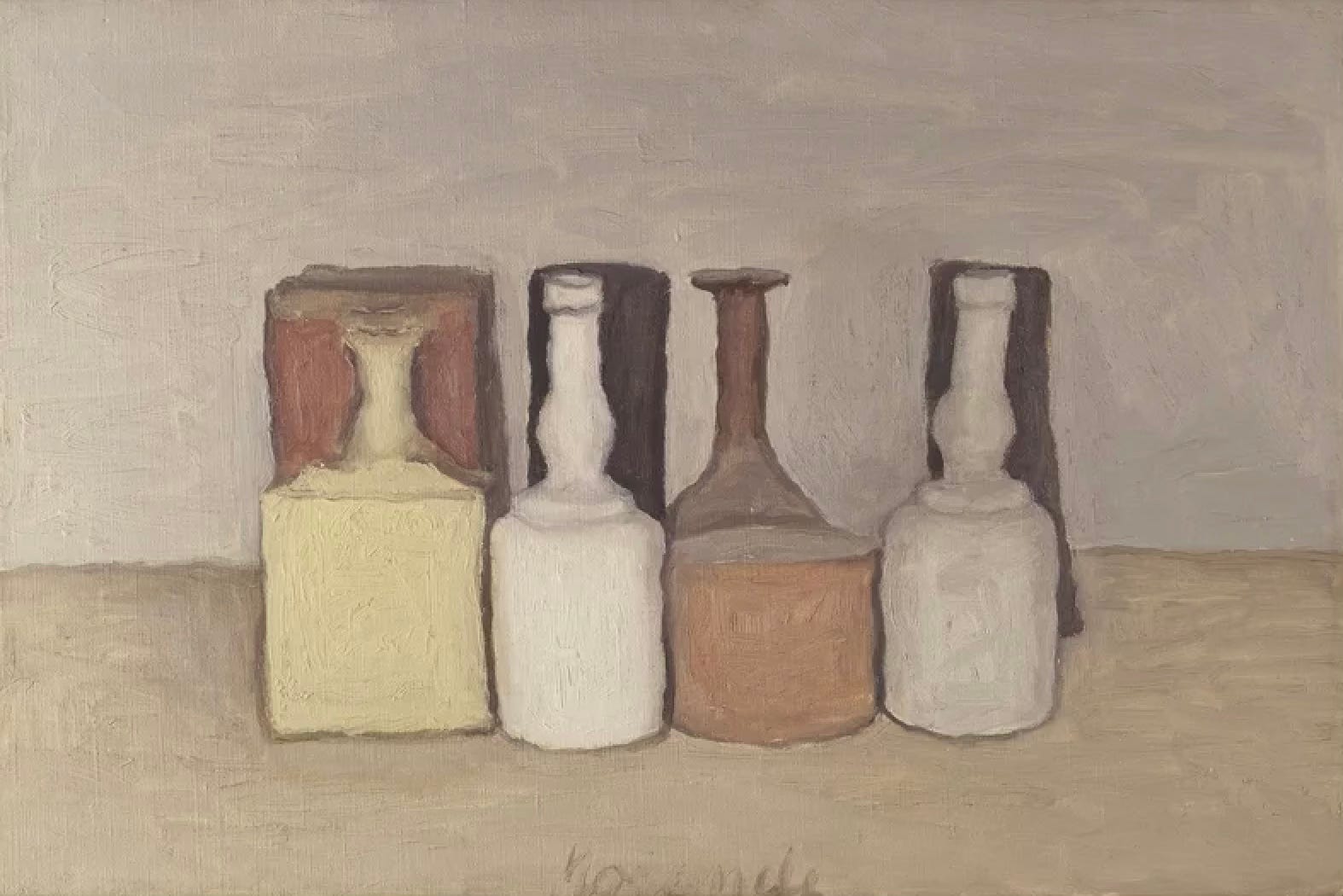
When we’re young we gravitate toward strong voices. We want to associate ourselves with rebellious artists whose style is direct and clearly defined. You cover your bedroom walls with posters of your heroes and feel closer to them and play the same albums over and over. Nobody loves a writer the way a teenager loves J.D. Salinger. Or Led Zeppelin, Hunter S. Thompson, Kurt Vonnegut or Van Halen (depending on your vintage). Even colognes are strong—Drakkar Noir, if you’re of a certain era, Eternity or those green bottles from Polo, if you’re of another. Hopefully you leave the cologne behind when you head to college.
Cultural markers change from generation to generation but the principle remains the same. We evolve from most of our teenage tastes (though I stuck with The Cure!) and grow less concerned with defining our style. We ease into who we are as adults then pay a small fortune to see our favorite band on their reunion tour.
But social media has cemented self-definition and we perform the part of ourselves. It's endlessly, exhaustingly public. That’s what teenagers did. But now it’s what adults do too. The posters in the bedroom are now our Instagram grid. We take good things and make them public currency: I’m the one who likes martinis, we declare, or pajamas or Defenders or Slim Aarons.
I’m not here to judge that (I like these things too!). I am here to praise a more private, more subtle taste. In dressing, in interiors, in writing, in travel, in how we conduct ourselves. Our culture is obsessed with recognizable first impressions. The dreaded signature dish or hotel wall that’s designed with the hope that it’s endlessly documented.
What’s most annoying about Pitti are the men who dress to be photographed. It’s a performance, ratcheted up to eleven. And, sadly, it doesn’t end at Pitti. Some post photos of what they wear every day, which is honestly embarrassing for a grown man. Spend less time looking in mirrors, my goodness, read a book, man. And if you’re still possessed by dandified thoughts then read some Glenn O’Brien, who reminds us that, yes, it’s good to dress up, but not to be motivated purely by the desire for attention. That’s worshipping at the false altar of the algorithm.
The best dressed men I know wear good clothes that announce themselves slowly. They trust that you’ll catch up with their advanced taste. They don’t show, they whisper. And they’re smart enough to know that clothes aren’t everything. Similarly, if a restaurant is performative—ratcheted up to eleven in its own way—then it’s not for me. I prefer a restaurant that’s easy to return to, that wants people coming back. The dining equivalent of a good sartorial uniform.
Let’s think beyond the initial sensory blitz. Here’s to hotel lobbies that feel like they’ve been that way for a long time even if they’re new. They’re reassuring and inviting. That’s aligned with gentleness in the gentle-man. Your manners make those around you feel at ease. And that’s why those whose behavior I admire are always natural in the way they carry themselves.
I like this natural style in writing as well. Tom McGuane said in an interview that he’s shedding more of his pyrotechnic style as he’s gotten older. I’ve been reading these Isabel Colegate novels. She doesn’t draw too as much attention to her writing until the rare moment when she does. And it’s more powerful for it. I prefer art that hides its difficulty rather than asks you to admire the technique.
Some of this is tied up with getting older but some of it are the distortions of social media. We live in a constant state of self-definition and that’s not a good way for most people to be. I often think about how people would live if everything was secret—would you want to eat at Noma if you couldn’t tell anybody? Would you stay at that Italian hotel if nobody knew? Would you go around the world to catch a fish you couldn’t photograph? It’s a test, but a revealing one.
If I see a man in a grey flannel suit, good suede shoes and a knit tie then I know he and I have something in common. One of those things is that we try to meet a public standard. But, just as importantly, we try to meet a secret standard, a more quiet one that lasts longer, which we set for ourselves.


No one needs to know about my epic bike rides or kayak adventures, especially Strava. A friend of mine is a beast, up at dawn, logging many thousands of miles each year, doing an admirable job as professor, father, and husband. His bike rides are like private prayers. You have to ask about them or catch him in the act.
“Would you go around the world to catch a fish you couldn’t photograph?”
I wouldn’t quit fishing if I lost my phone in the river, if losing my phone was the sacrifice required by the Gods to catch the fish of a lifetime. Seems a more than fair swap.