

The Five Hour Rule
Getting Some Distance

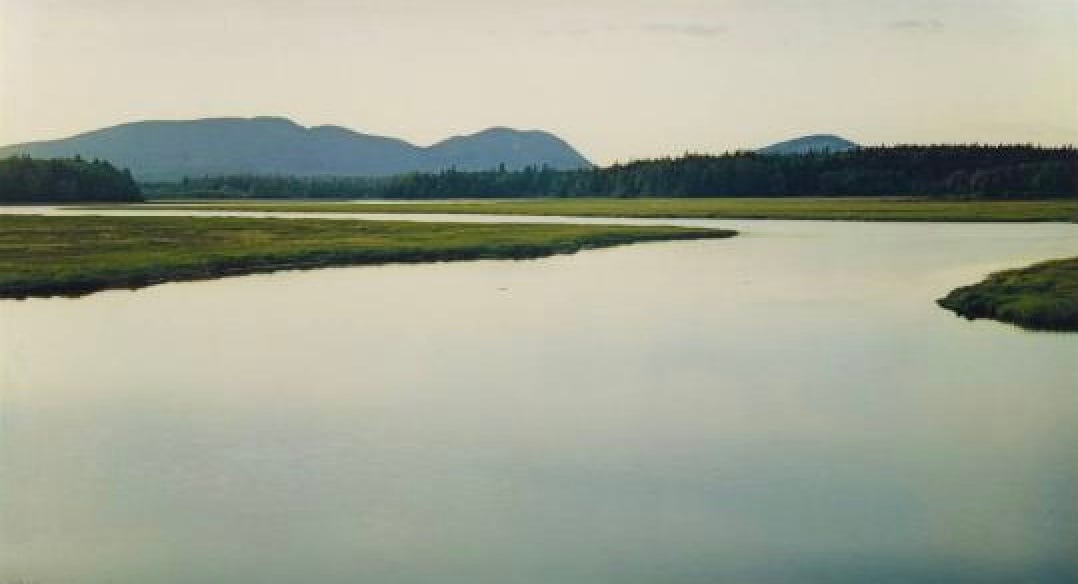
Travel is, above all, an escape—we live in one place but we go to another. The definition is easy, but now we have to go out in the world. People are busy, they don’t have a lot of time, they want to get out of Dodge. Writing about travel, especially for magazines, I keep this in mind. I figure out where you can go for a long weekend or find retreats close to major cities. Driving the length of Argentina for a month isn’t an option (though it certainly is appealing).
I’m not sure the old equation works any more. We’re drowning in travel intelligence and everybody’s heading to what’s perceived to be the right place. Do you want to be in the corner table that’s coveted by your friends and enemies? Maybe, but increasingly maybe not.
Every day I look out my window at the people waiting outside to order from this bakery. There’s always a line, then when they get their order they turn and take a photo of it. That feels like a metaphor for modern travel: Wait for something that may not even be good then blast a photo of yourself out to world.
That’s just not doing it for me and it’s time to rethink this model. One way to fight this is with what I’ve been calling The Five Hour Rule. Getting to Dordogne this summer (I visited this lovely chateau) was hard by European standards—nearly six hours on the local train ride (a drive is even longer). Not ideal, especially when there are great cities close at hand. But that lack of convenience was rewarded with a gorgeous, peaceful setting without the insanity we’re used to.
Take Maine. If you go a few hours past Portland, then a few more past that you are now outside the Boston realm of influence and have so much more to yourself. Now you might also be outside the places on the hot list, but maybe it’s time to ask why you care about the hot list in the first place.
Anybody who writes about travel is part of the ecosystem and I can’t recommend a place nobody can get to. But what about the principles of why we travel in the first place? When we read the classic travel books—Bruce Chatwin, Peter Fleming, Sybille Bedford—we respond to their sense of adventure and how they lived. Yes, sometimes you want to visit a place where they went, but you really what to see the world they way they did: Open-minded, big-hearted, light on their feet.
That’s worth aspiring to more than any coveted reservation. Let’s move beyond the gravity of the hot list mindset. The best steakhouse in Buenos Aires, the best ramen in Tokyo or, good lord, the best Martini in Paris—these designations are ridiculous, limiting and wildly ill-informed. Have you been to every steakhouse in Buenos Aires? Of course not. So why not try a new one?
Travel research can be a wonderful thing. You anticipate the lay of the land, you learn about a city and its culture, you look forward to your trip before it even begins. These truly are some of my favorite things to do. I’ve read about more Tokyo restaurants than I’ll ever visit. But we are drowning in information and ignoring what’s right in front of us.
What happened to just going into a place that looks good? Why look it up and read reviews from strangers about it? Almost every great travel story is about discovery. We were lost and found this amazing pub filled with locals, etc. I love that sh/t! And I think you do too. Do the research, yes, and have your own list. But remember that a place can be good to you that nobody knows about. Maybe the drink isn’t perfect—but do you want to be in a place where everybody is taking photos of their famous Martini? Of course not. Give yourself room to maneuver, trust yourself to find what’s good on the ground and remember why we go out into the world in the first place.


Reading this right now in a pub in Glencoe, Scotland waiting out a heavy rain really hits home!
Best way to travel! My wife and I try to book one “thing” (breakfast, sight, etc.) per day when traveling and then spend the rest of wondering around and getting lost and we always have more fun!