
The Kyoto Chronicles
Perils of a Perfect City

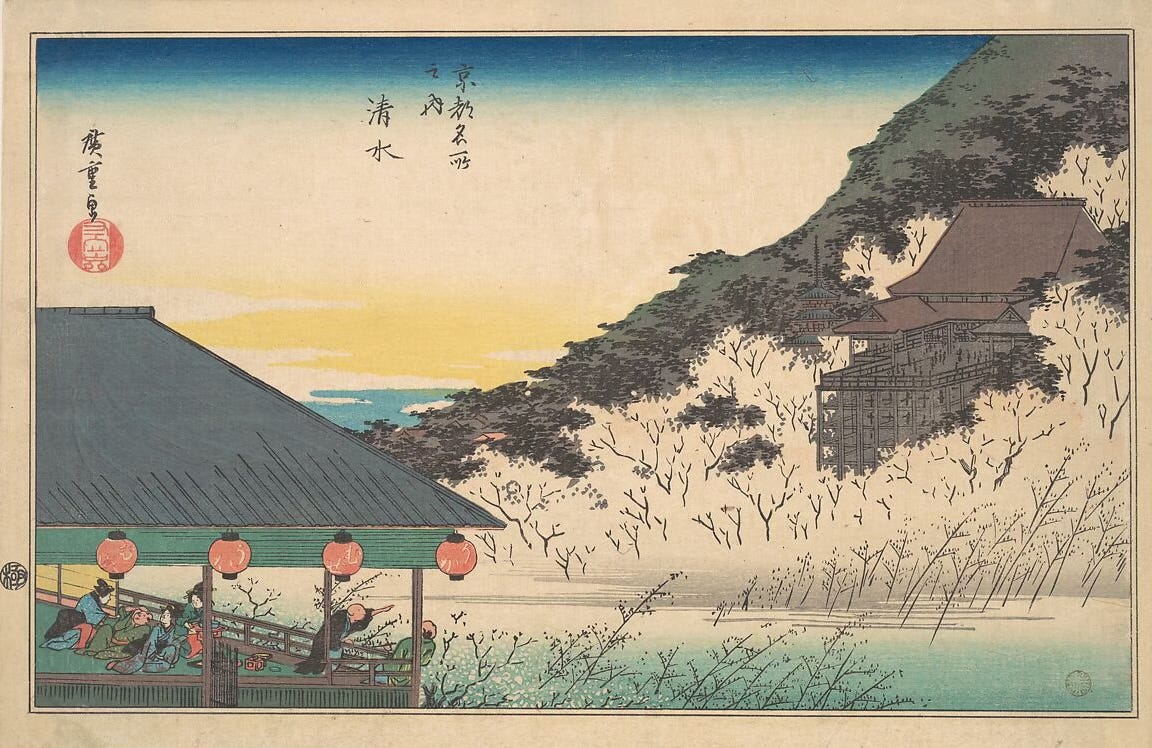
This comes to you from Kyoto. It’s a beloved city of culture and refinement, of secret doors and narrow walkways, of immaculate gardens and kaiseki dinners. Most of the city is low-lying and flat, spread out between the green mountains that come in and out of view when there’s fog. It’s a place of delicate beauty where you can’t help being in a good mood. And yet today I felt wistful in this wonderful place.
Tourism is high in Japan and very high in Kyoto. Though I’ve been many times and read stories that things were bad, I still wasn’t quite prepared for what was happening on the ground. I’m a visitor too, of course, and don’t want to absolve myself. (I’ll write a Japan travel piece soon, and if you require hard logistical intelligence here’s a Tokyo guide, the story of my secret Kyoto bar, a tribute to a beloved hotel and something I wrote for FT.)
Kyoto is suffering through the is the logical conclusion of many bad trends. Performative travel, social media vamping and brutal manners, which stand out even more against the contained kindness of the Japanese. Foreign couples rent kimonos and hire photographers to shoot them on private streets or crowded public ones. People crowd up a hill to capture a shot of them with a temple in the distance. They literally rotate in and out then go back to their lattes. It’s vacation on an algorithm searching for a social media high. People just want the shot so they can blast I was in Kyoto into their social-verse. Then they return the kimonos and move on.
For a deeper connection to the city why not head further off the well-shot digital path? I’m not saying you have to eat jellyfish for breakfast or take the vows at a monastery. But if people respected the Japanese and their ways they wouldn’t enter temples in bare feet or conduct full volume FaceTimes on neighborhood streets. They wouldn’t force people to put up signs outside their homes in English reading “Please don’t throw trash here” or “Please don’t sit here.”
Social media overwhelms the moment and for too many people the experience itself is not enough (I’ve written about this before—one of my more popular newsletters). Kyoto felt like it was a mere backdrop to people playing out their lives abroad. There was an indifference to the people and the nature of the city, as if it was a stage set, the residents mere extras. There’s a threat that part of the city turns into Venice.
But Kyoto does make a great set. Lovely temples, scenic streets, bamboo forests and clear rivers. There are Incredible stores, for paper, for antiques, for lacquer, for textiles. Japan used to feel very far away and if you wanted to come it took effort. Now it feels less distant. There’s Google Translate (I use it too!), more English menus, international hotels and stores catering to visitors.
But what do we lose in that deal? The flattening of the world makes people expect to have things done their way, fast and easy. Everywhere a flat white, a wifi connection, just tap your credit card. It’s actually refreshing to be in parts of Kyoto where restaurants are cash only, English is barely spoken and stores maintain erratic hours.
So I was feeling the weight of a crowded world moving too fast when I went up a hill to visit Kawai Kanjiro’s house. The celebrated ceramicist’s home is a marvel of lightness and design. You can see examples of his work and the impressive kiln running up the hill outside. I’ve often come to this place and it’s always lightly visited. That remains true. Afterwards I sat outside in the courtyard and enjoyed the quiet sunshine.
Then I went to a ceramics store a few doors down. I had looked through the window before but had never been in (I can’t remember why, maybe I was intimidated, maybe it was closed). I opened the door and a kind, serene man greeted me and let me look around in peace.
The store was lovely and I was curious about the man who ran it. It turned out that the store has been in his family for five generations; the man’s grandfather had known Kanjiro himself. The area was good for kilns, he said, because the hills urged the smoke upwards and was good for drafts.
Everything he sold was made by living, local potters. I admired a tea cup, then a small sake bottle. I found a plate in a different part of the store that I liked too. It turned out they were all made by the same young man. His father and grandfather were both ceramicists—he’s only twenty-three. I felt that rare connection when somebody makes something that feels so inevitable, so correct that you feel recognized by it. You feel known.
It was a favorite type of travel connection—far away people sharing a sensibility. A visit to a great city led to a master’s house then to a place that celebrates people who make things. This line of culture remained analog and almost secret, beyond the algorithm and outside of time. I walked down the street, my acquisitions carefully packed, and felt a sense of lightness as I prepared to navigate the crowds below.


what a delightful blog David. I always love your stuff and this one is no exception. The bit at the end really touched me. I love finding a locally crafted thing (could be art or gear or even food) and then learning the story behind it. This is one reason I love Etsy because it allows me to connect personally and support fly tiers I meet online over the years.
I agree with you on the perils of over-tourism. It’s ruining so many once great destinations and I tend to have a pessimistic view on the potential for any return to the past.
The flattening effect is the most disappointing. Why go somewhere to only experience your culture in another geographical location? Why stand in queue for a global luxury boutique on holiday when you have so many local artisans’ works spanning hundreds of years.
It feels as if most Americans don’t understand that the Griswolds’ European vacation was satire.